The Relationship House
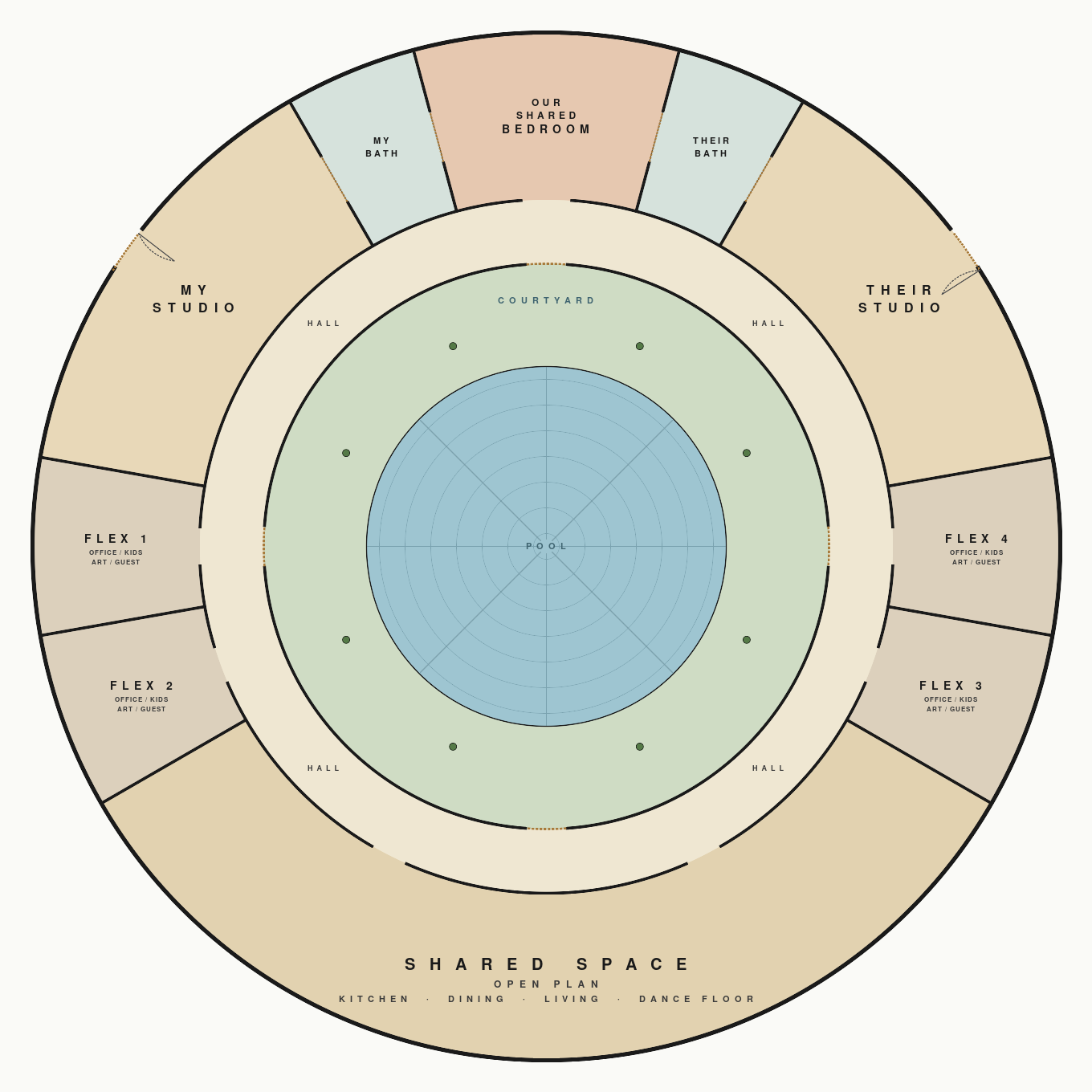
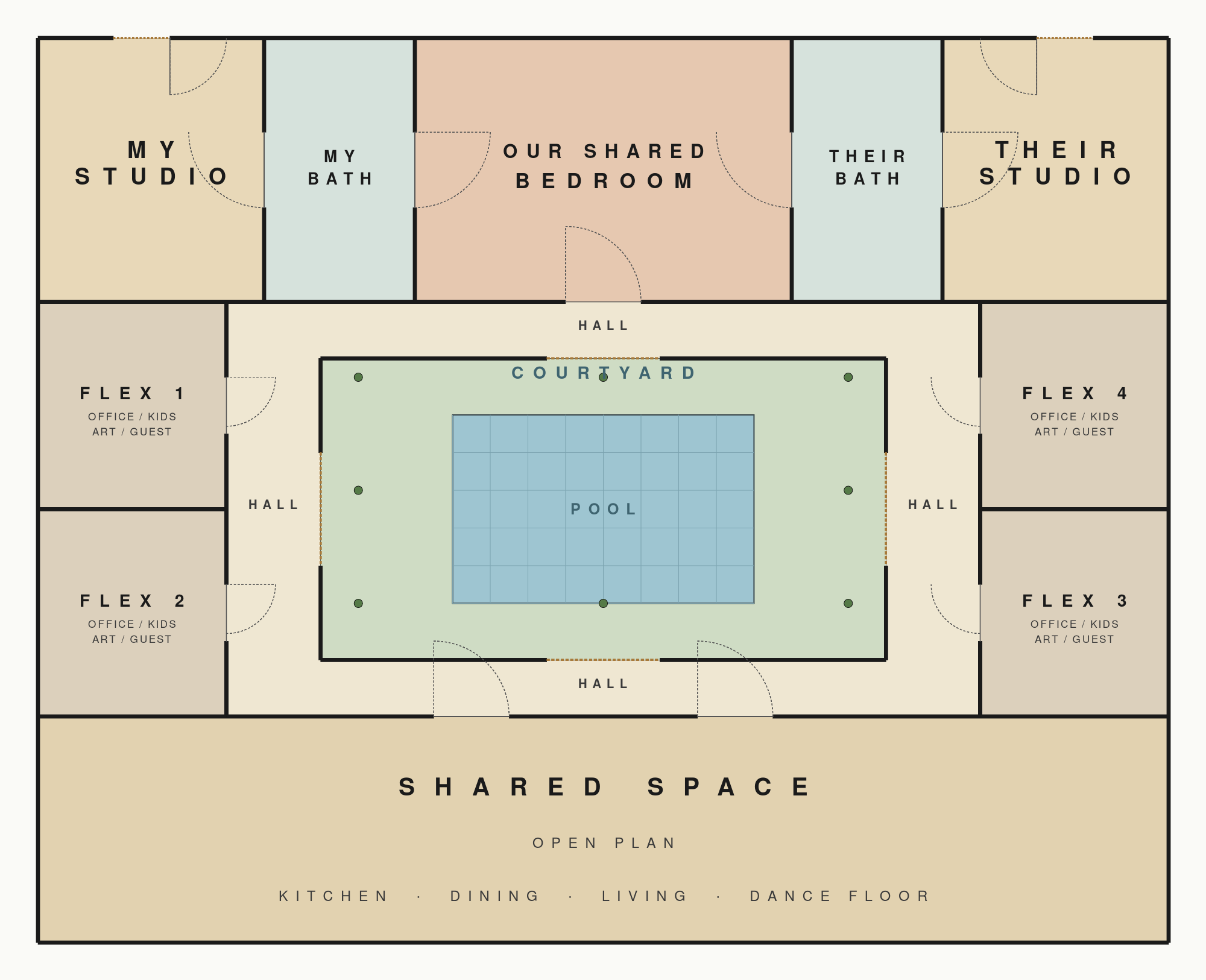
I have been drawing this house since I was a young girl. I grew up aware of the inequities in relationships between partners, and of the nuclear-family design underneath them, where one person brings in the money and the other does the cooking, the cleaning, the childcare, and the invisible mental load of keeping a household running. My mother taught experimental film and media literacy, so I was steeped in feminist theory early, and this house is where those ideas landed. I have been studying what it takes to have an equitable relationship ever since.
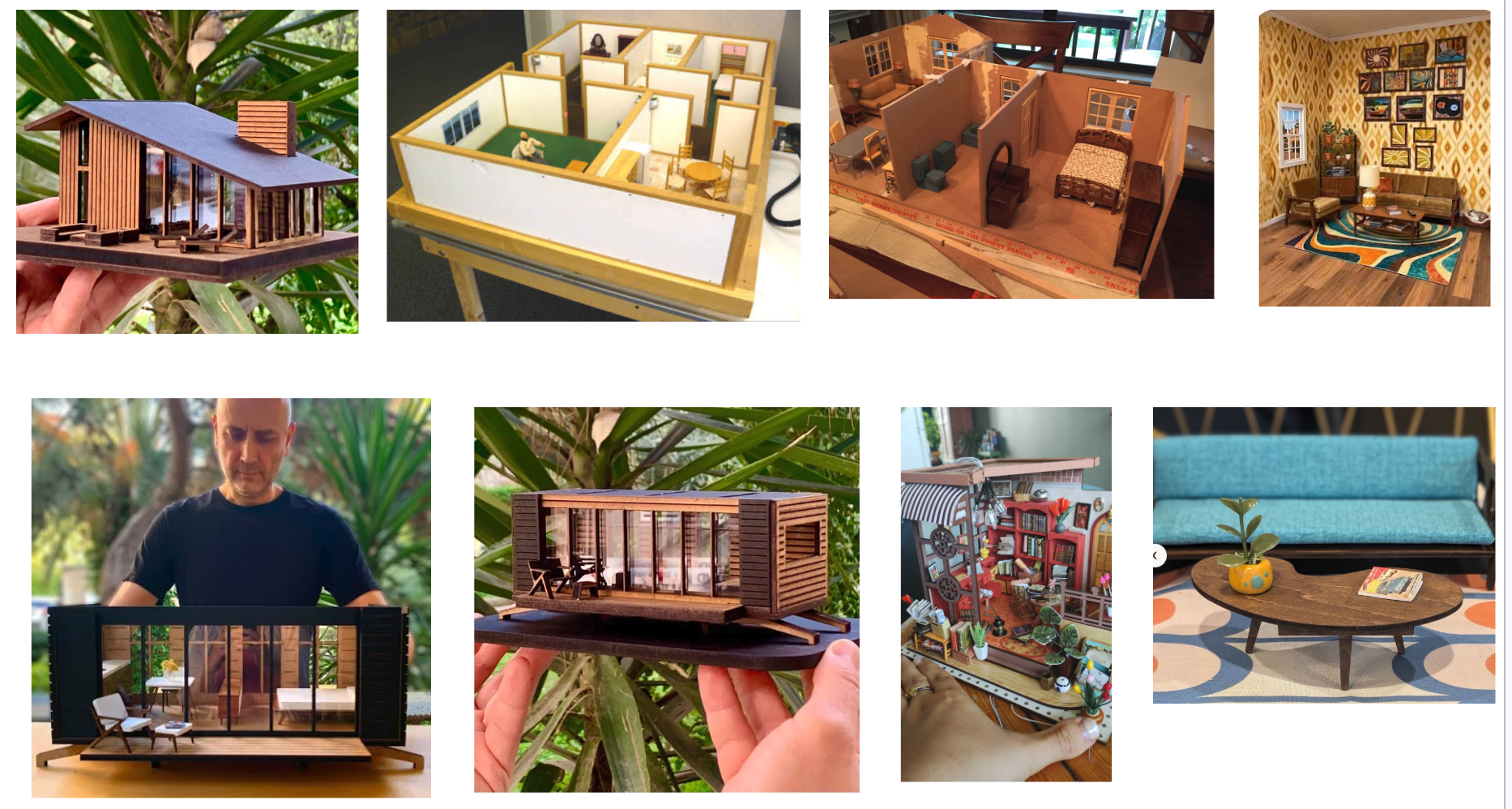
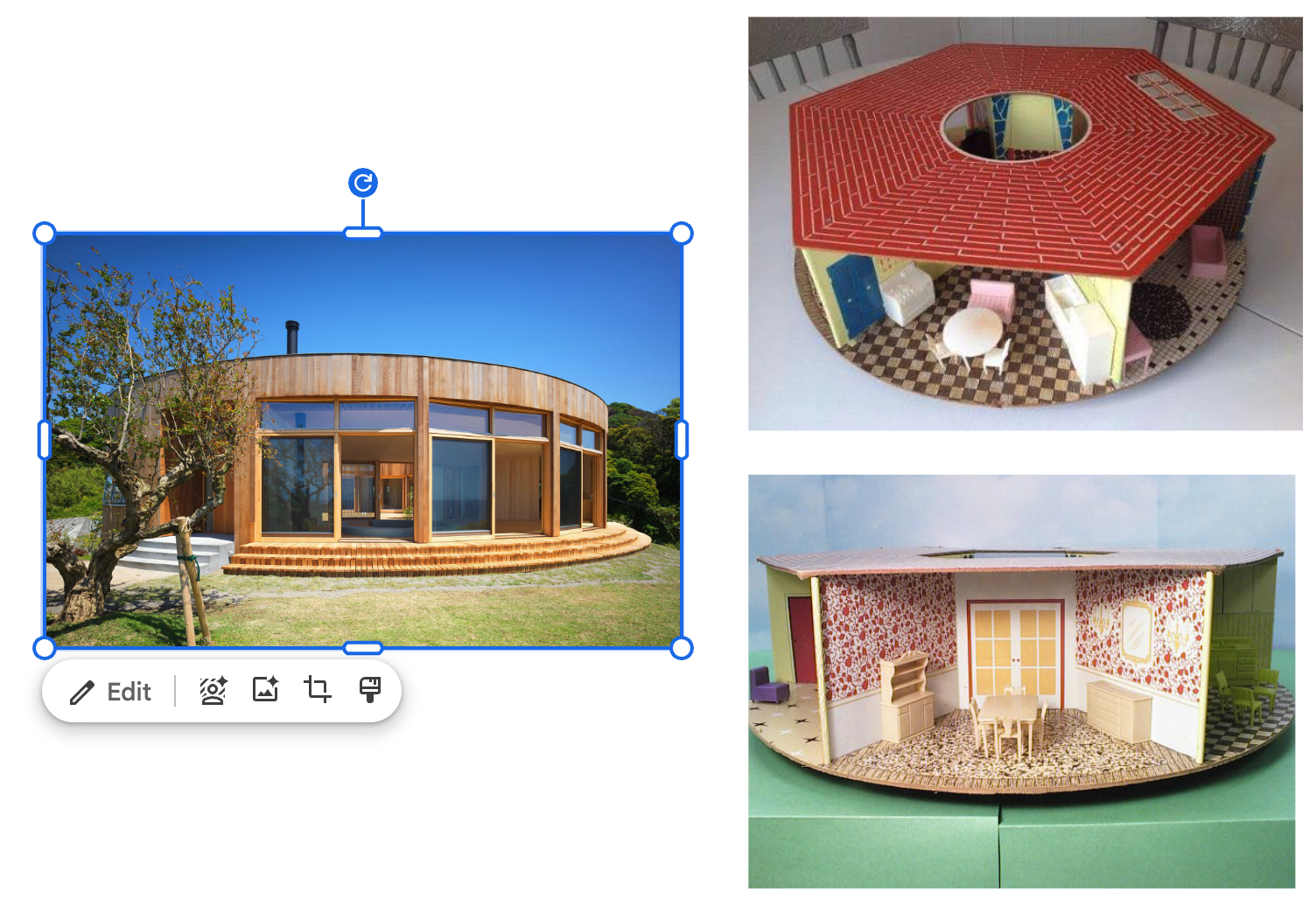
The Relationship House is that drawing built as an object, a dollhouse-scale sculpture that treats domestic space as the entire theater of a partnership: what is shared and what is not, who has a door, whose work is seen. It makes the invisible visible. The mental load that ends so many marriages, the second shift, the slow imbalance nobody has words for, becomes something you can lay out in rooms and move with your hands.
Architecture is a metaphor for emotional need: the rooms we build, or fail to build, are the care we can and can't give each other. The house asks which of our parts a partner can hold, which we have to hold ourselves, and where that line falls.
I am making it as a working object for couples and individual therapy, a place where people can see the arrangement they are actually living in and then design a different one, a bespoke relationship shaped around what each person needs rather than the roles they were handed. It draws on the Gottman Method, whose central theory is called the Sound Relationship House, on Imago Relationship Therapy, on Virginia Woolf's room of one's own, and on Bergman's Scenes from a Marriage.